Ethics, Machine Learning, and Python in Geospatial Analysis
Synopsis
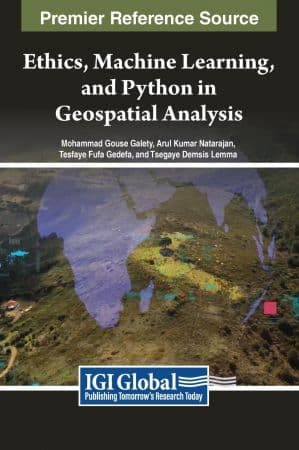
"Ethics, Machine Learning, and Python in Geospatial Analysis" is an insightful and comprehensive guide that seamlessly integrates ethical considerations with technical expertise, providing readers with a balanced understanding of the complexities in geospatial analysis.
Analysis
Rating:
Summary
This book stands out for its comprehensive coverage, clarity, and practical approach to integrating ethics with machine learning and Python in geospatial analysis, making it a strong contender for any educational book prize.
Readability
The book is written in clear and concise language, making complex concepts accessible to a broad audience. It maintains reader engagement through a logical flow and well-organized chapters. The explanations are tailored to be easily understood by readers at various educational levels, ensuring that both beginners and advanced practitioners can benefit.
Accessibility
The book effectively uses examples, illustrations, and analogies to clarify complex ideas. The design and layout are professional and visually appealing, with readable typography that enhances the overall reading experience. The book also incorporates interdisciplinary connections and practical hands-on activities, making it a highly accessible resource for learning and applying geospatial analysis techniques.
Impact
The content is accurate, up-to-date, and encourages critical thinking and problem-solving skills. Real-world applications and practical examples are consistently highlighted, making the material relevant and inspiring for readers. The book motivates and inspires curiosity about the ethical dimensions of geospatial analysis, making it a valuable resource for a wide audience, including students, researchers, and professionals.